
Vacation Driving in Florida: Tips for Non-US Residents
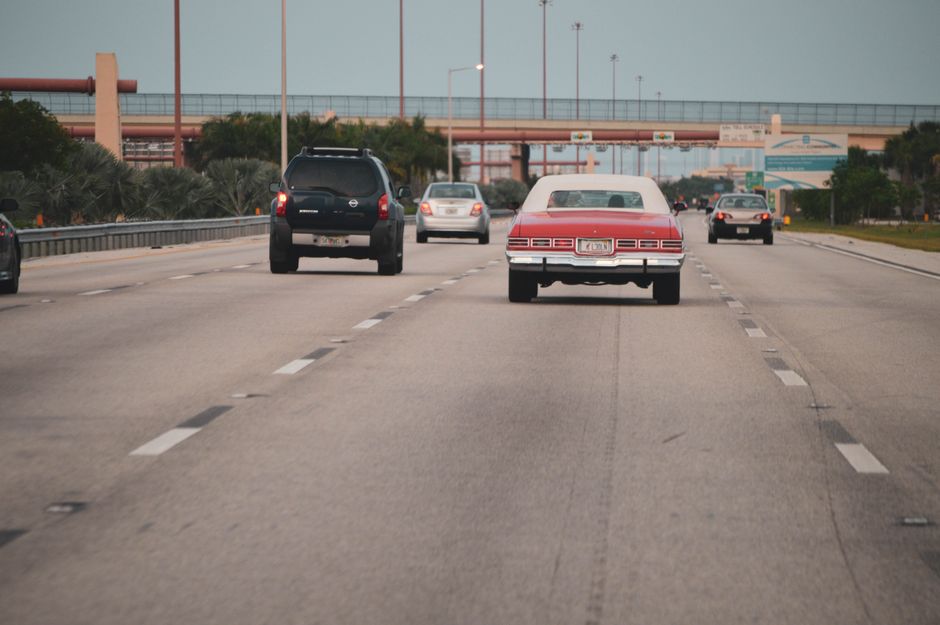
You have cleared immigration, collected the bags, and picked up the keys to a rental car at Orlando International Airport. The road ahead leads to palm trees, wide highways, and a resort gate that opens onto a lake. For visitors who have never driven outside their home country, that first exit from the airport can feel like a lot. The good news is that Florida driving is manageable once you know a handful of local habits and plan your routes before you leave home.
This guide is written for guests flying in from the UK, Ireland, Europe, Canada, Australia and further afield, with a focus on the practical side of a driving vacation: how the state is laid out, what the speed limits look like, how to prepare a rental car, and where to park once you reach your Orlando base.
A Car Is the Practical Way to See Florida
Florida is a large, spread-out state, and public transport will not carry you between the places most visitors want to see. Travellers comparing options on Florida forums keep landing on the same conclusion: to move from city to city, you need a car. The alternative is to pick one base such as Jacksonville, Orlando, Tampa or Miami and settle in for a few days rather than touring the whole state.
That choice shapes your trip. If your holiday is a theme park week in Orlando, a car gives you the freedom to reach the parks, the shops and the coast on your own schedule. If you want to see more, the driving network connects the Emerald Coast in the north west, the beaches of Amelia Island in the north east, Central Florida, and the long run south to Miami and the Keys.
Know the Speed Limits Before You Pull Out
Speed limits are posted in miles per hour, and the numbers are higher than many overseas visitors expect. As a general guide for Florida, interstates are signed at 70 mph, and four-lane divided highways at 65 mph. Treat those as reference points only. Limits drop on urban stretches, around toll plazas and through work zones, and the sign at the roadside is always the authority.
Road type | Typical posted limit |
|---|---|
Interstate highways | 70 mph |
Four-lane divided highways | 65 mph |
If you think in kilometres, it helps to convert once before you drive: 70 mph is roughly 113 km/h. Reading a speedometer in miles becomes easier when you pick a mental cruising number and hold it rather than constantly recalculating. Remember that the left lane is for passing, and staying right unless overtaking keeps you clear of faster local traffic.

Prepare Before You Leave Home
Long-distance driving advice from road safety sources tends to boil down to three things: prepare the vehicle, plan the route, and drive strategically. Doing all three before you reach the rental desk makes the first day far calmer.
Check the car together with the agent. Walk around it, note existing damage, learn where the lights, indicators, wipers and hazard switch are, and ask how the fuel filler works. Fuel is sold by the gallon here, and rental refuelling arrangements vary, so confirm the details before you drive off. Ask about tolls and insurance add-ons too, and check what your own travel or motor policy already covers.
Licence requirements for overseas visitors can differ by country and by state. Confirm what you need with the relevant official authority and with your rental company before you fly, rather than relying on a forum post or an old blog entry.
Route Planning That Saves Time
Plan the first drive before you land. Know which road leaves the airport, which direction you are heading, and the name of the exit or gate for your accommodation. A phone mount is worth having, and an offline map is a sensible backup in case mobile data is slow at the wrong moment.
Plan the days out as well. Theme park mornings start early and end late, and the drive home at night is much easier when you already know the route. Build in a buffer, because distances on a map in Central Florida can look short while traffic around the parks and along the main corridors stretches a twenty minute run into something longer.
Long Drives Around the State
If you are adding a road trip to your holiday, remember that Florida is not a single-day state. The panhandle beaches around Destin and Panama City Beach sit at the opposite end of the state from Miami, and Amelia Island is up in the north east. Break the drive into stages, switch drivers if you can, and stop regularly.
An RV may sound like a romantic way to tour, but winter is high season in Florida and decent RV parks are often booked up a year ahead. For a shorter trip, a normal rental car with a holiday condo as your base is simpler to plan, easier to park and gives you a fixed home for the week.
Parking at Your Orlando Base
Parking is one of the quiet stresses of a driving vacation, especially at properties with tight lots. Our three-bedroom condominium at Bahama Bay Resort & Spa includes on-site free parking for the duration of your stay for two cars per booking, inside a gated community. You can park up, unpack once, and leave the car sitting while you use the resort pools, hot tubs, clubhouse, beach area and fishing dock.
We also send driving directions from Orlando International Airport and to the theme parks, so your first and last drives are the ones you have already rehearsed. A base with easy parking changes the shape of a driving holiday: the car becomes an option rather than a chore.
Driving Days Out From Orlando
Orlando sits in the middle of the state, which makes it a useful hub for day trips. Head west for Tampa and the Gulf coast, east for the Atlantic beaches, or south when you are ready for Miami. Each direction is a different kind of drive, and choosing one main direction per day keeps the time behind the wheel reasonable.
For a longer loop, work out the route in advance and book accommodation along the way. Florida road trip itineraries commonly link the Emerald Coast, Central Florida and South Florida, but you can just as easily pick two or three stops and spend longer in each one.

A Simple Checklist for Overseas Drivers
Confirm licence requirements with the official authority for your country and state before booking.
Reserve the rental car early, especially in high season, and read the insurance and fuel terms.
Download offline maps and save the resort address before you fly.
Learn the car at the rental desk: lights, wipers, hazards and fuel filler.
Remember that speed limits are in miles per hour and are high on interstates.
Plan each day's drive and leave a buffer for traffic.
Ask your accommodation about parking before you arrive.
Frequently Asked Questions
Is driving in Florida easy for visitors from outside the US?
Once you are out of the airport, the layout is generally straightforward: wide lanes, clear signs and a grid of main highways. The main adjustments are driving on the right if you are used to the left, high posted limits in miles per hour, and busy traffic around theme park corridors. Plan your first route and take it slowly.
Do I need a car if I stay near Walt Disney World?
A car is not essential if you plan to stay inside a resort and use park transport, but it gives you far more freedom. It makes grocery runs, shopping trips, restaurant evenings and beach days much easier, and it removes dependence on shuttle timetables. Choose a base with free parking and the car can sit unused on park days.
What are the speed limits in Florida?
As a general guide, Florida interstates are posted at 70 mph and four-lane divided highways at 65 mph. Local roads are lower and urban stretches can drop further. Always follow the posted sign rather than any guide, and watch for changes around toll plazas and work zones. If you think in kilometres, 70 mph is about 113 km/h.
Is an RV a good choice for a winter Florida trip?
Winter is high season in Florida and good RV parks are often fully booked a year in advance, so an RV can be a frustrating choice for a late booking. A standard rental car combined with a vacation condo as your base is easier to park, simpler to plan and gives you the same fixed home for the week.
Where should I stop on a Florida road trip?
Popular stops include Destin and Panama City Beach on the Emerald Coast, the beaches of Amelia Island in the north east, and Miami in the south, with the Keys further down. Central Florida and Orlando make a natural middle point. Pick a handful of places rather than trying to cover the whole state in one drive.